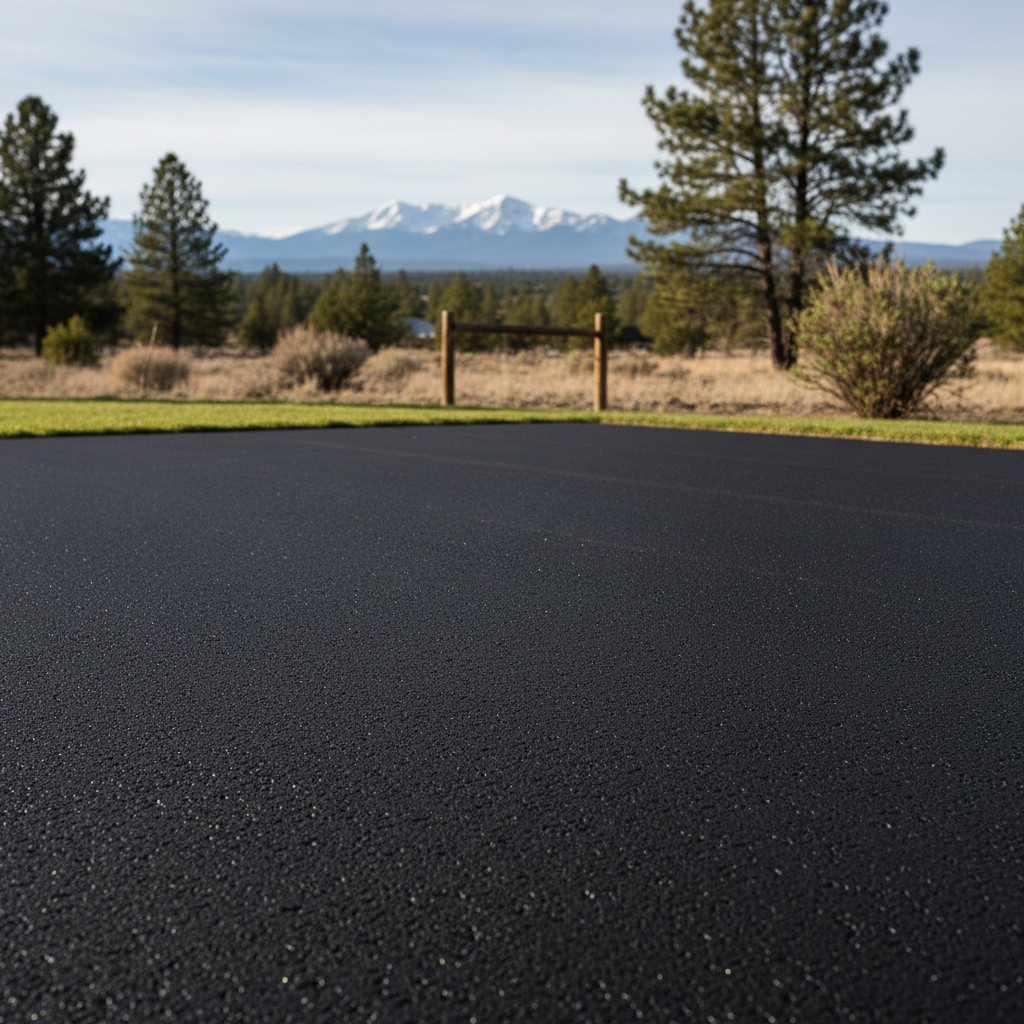
How long should my asphalt driveway last here in Sisters?
That's a big question, and honestly, there's no single, simple answer. But I'll tell you what I know. If you've got a well-installed asphalt driveway, one that was done right the first time, it should easily give you 15 to 20 years. Maybe even 25, especially if you're really good about maintenance. The key, though, is that phrase: 'well-installed.' That means proper grading, for starters. Then there's a solid base layer – usually we're talking 6 to 8 inches of compacted aggregate, sometimes more depending on your soil type around here. You know, that sandy stuff near the Deschutes can be tricky. After that, you need a good quality asphalt mix, laid at the right thickness, typically 2.5 to 3 inches for residential jobs. If anyone skips or skimps on any of those steps, you're looking at a shorter lifespan, no doubt. And let's not forget our Central Oregon weather. Those freeze-thaw cycles we get, especially in places like Black Butte Ranch, are brutal on pavement. Good drainage is super important to keep water from getting under the asphalt and really messing things up.
What's the deal with cracks? Are they always a big problem?
Cracks are pretty much a fact of life with asphalt; it's a flexible material, after all. It moves with temperature changes and when the ground shifts. The real question is what kind of crack you're seeing and how big it is. Hairline cracks? Usually not a huge deal, especially if they're just on the surface. We can fill those pretty easily with crack filler, which stops water from getting in and making things worse. Alligator cracking, though, where it looks like a bunch of interconnected cracks forming a pattern? That's a sign of a deeper structural issue, usually a failing base or too much weight on the surface. That kind of cracking often means you're looking at much more significant repairs, maybe even needing to pull out and replace that whole section. The sooner you deal with any crack, big or small, the better. Water is asphalt's worst enemy, believe me.
My driveway has sunk in a few spots. Can that be fixed without replacing the whole thing?
Yep, often it can. Sinking or 'depressions' usually happen because the base underneath wasn't compacted properly, or maybe there's a drainage problem causing erosion. If it's not too widespread, we can usually cut out the affected area, re-compact the base, add new aggregate if needed, and then patch it with fresh asphalt. We call that a 'patch repair' or 'cut and patch.' It's a lot less invasive and way cheaper than tearing out the whole driveway. The trick is making sure the new patch blends well and seals properly to the surrounding pavement. It won't be invisible, but it'll be a solid, functional repair. Now, if you've got a lot of sinking, or it's really deep, then we might need to talk about replacing a larger section.
How often should I be sealcoating my driveway?
Okay, this is one I get asked a lot. For residential driveways here in Sisters, I generally recommend sealcoating every 2 to 3 years. Some folks push it to 4, but I wouldn't go much longer than that. Sealcoating isn't just about making your driveway look nice and black again; it's a protective layer. It shields the asphalt from UV rays, which dry out the binders and make it brittle, and it protects against water and chemicals like oil and gas. Think of it like sunscreen and a rain jacket for your driveway. If you wait too long, the asphalt starts to oxidize, fading to gray, and those small cracks start to appear. Once that happens, sealcoat can't do its job as effectively. Consistency is key here.
I've got oil stains on my driveway. How do I get rid of them?
Oil stains are a pain, and they're tough because oil actually softens asphalt over time. For fresh spills, try to soak up as much as you can immediately with kitty litter or sand. Let it sit for a few hours, then sweep it up. For older, set-in stains, you can try a stiff brush with a degreaser specifically designed for asphalt. You'll need to scrub hard, and then rinse thoroughly. A pressure washer can help, but be careful not to use too high a pressure setting or get too close, as you can damage the asphalt surface itself. Sometimes, if the stain has really penetrated and softened the asphalt, the only way to truly get rid of it is to cut out that section and patch it. Prevention is best here – put down a drip pan if your car leaks, you know?
What's the biggest mistake homeowners make with their asphalt driveways?
The biggest mistake I see? Neglect. Seriously. People spend good money on a quality asphalt driveway, and then they just forget about it until there's a major problem. Small issues, like those hairline cracks or a faded surface, are easy and relatively inexpensive to fix if you catch them early. But if you let them go, water gets in, freeze-thaw cycles do their thing, and suddenly those small cracks turn into potholes, or that faded surface starts crumbling. Then you're looking at much more expensive repairs, or even a full replacement way sooner than you should have to. Regular sealcoating, prompt crack filling, and keeping it clean are your best friends. It's like anything else you own; a little preventative maintenance goes a long way. That's why Mighty Asphalt Solutions always stresses a proactive approach.